Beautiful Plants For Your Interior
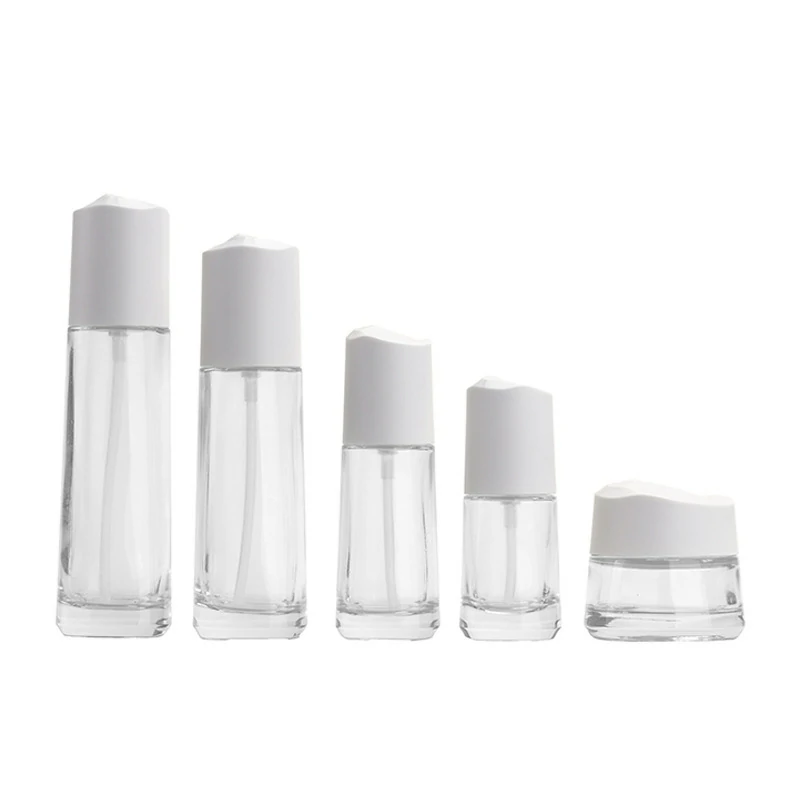
In the fashion and beauty industry, packaging has always been one of the important factors that attract consumers. Currently, cosmetic packaging materials mainly consist of three types: glass, plastic, and metal, among which glass is the most traditional packaging material for cosmetics. Glass materials not only possess characteristics such as being bright and transparent, having good chemical stability, impermeable, and easy to shape.
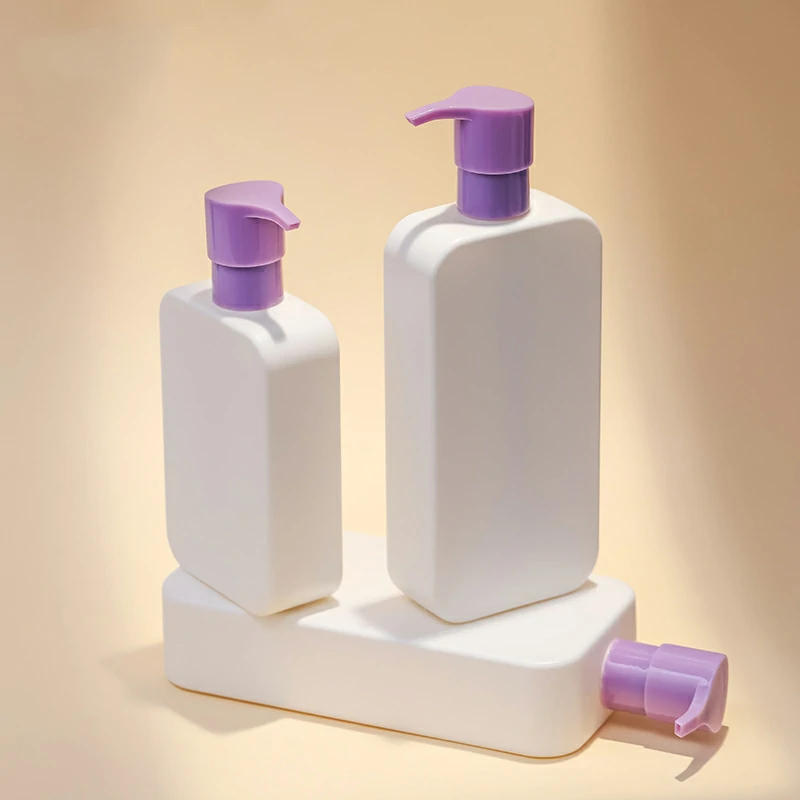
Using metal ion colorants can also achieve glass with rich colors. Additionally, processes such as frosting, painting, color printing, and engraving on the glass surface can also play an excellent decorative role. However, glass packaging containers also have significant drawbacks and usage limitations: firstly, they are highly brittle and prone to breakage; secondly, they are heavy, leading to high transportation costs; and thirdly, they require high energy consumption during processing and cause serious environmental pollution. In search of more environmentally friendly packaging solutions, PET materials are gradually emerging in this field, bringing innovation and sustainability to cosmetic packaging. Secondly, compared to glass bottles, PET bottles have obvious advantages. Thick-walled PET bottles have a low specific gravity, are easy to color, have strong plasticity, can be molded into various shapes, and are relatively inexpensive, making them suitable for large-scale production. PET materials also have high transparency, which can showcase the colors and textures of cosmetics, attracting consumers’ attention; PET materials have good chemical stability and do not react with cosmetics, maintaining product quality and safety; PET materials can also be processed through injection molding, blow molding, and thermoforming to achieve various shapes and designs of packaging, meeting the innovative needs of cosmetic brands. Not only can PET bottles be printed on the body, but coloring materials can also be added during production to create bottles in various colors. Surface decoration can be achieved using metal vapor deposition, gold plating, and thermal printing methods to meet the needs of different levels of packaging. Additionally, compared to materials such as glass and metal, PET packaging is significantly lighter and easier to carry. A small cosmetic spray bottle made of PET material is convenient for consumers to touch up their makeup anytime and anywhere. Currently, PET bottles have become a packaging container favored by daily chemical and cosmetic manufacturers. Large well-known enterprises and brands have taken the lead in using thick-walled PET material packaging containers for shower gels, skincare products, and cleaning supplies.
Application of PET in Cosmetic Packaging PET is an environmentally friendly material that can be directly in contact with cosmetics and food, and is the main material for filling organic skin care products. 1. Tubular Containers: PET tubular containers are commonly used for packaging products such as lipsticks, lip balms, eye black, and essences. 2. Bottles and Jars: PET bottles and jars are widely used in the packaging of cosmetics, such as shampoos, conditioners, skin care products, and body lotions. In recent years, the bottleneck of rigid PET packaging has been continuously overcome, and it now meets the packaging needs of daily chemical products. For example, a 50 ml bottle developed by Xipa can be produced on the ECS SP 80 injection blow molding system and comes in various colors. It not only has a beautiful appearance but also easily holds perfumes. 3. Films and Stickers: PET films and stickers are widely used in cosmetics packaging for labeling, sealing, and decoration. A PET film sticker, after being printed with environmentally friendly ink and printing processes, can add unique personality and attractiveness to cosmetics packaging.
The application of PET in the field of cosmetics packaging is becoming a perfect combination of fashion and sustainability. It not only possesses aesthetic appeal and practicality, but also has the advantages of recyclability and sustainability. By choosing PET materials and adopting sustainability measures, cosmetics brands can provide consumers with more environmentally friendly product options, while contributing to the sustainable development of the industry.