Beautiful Plants For Your Interior
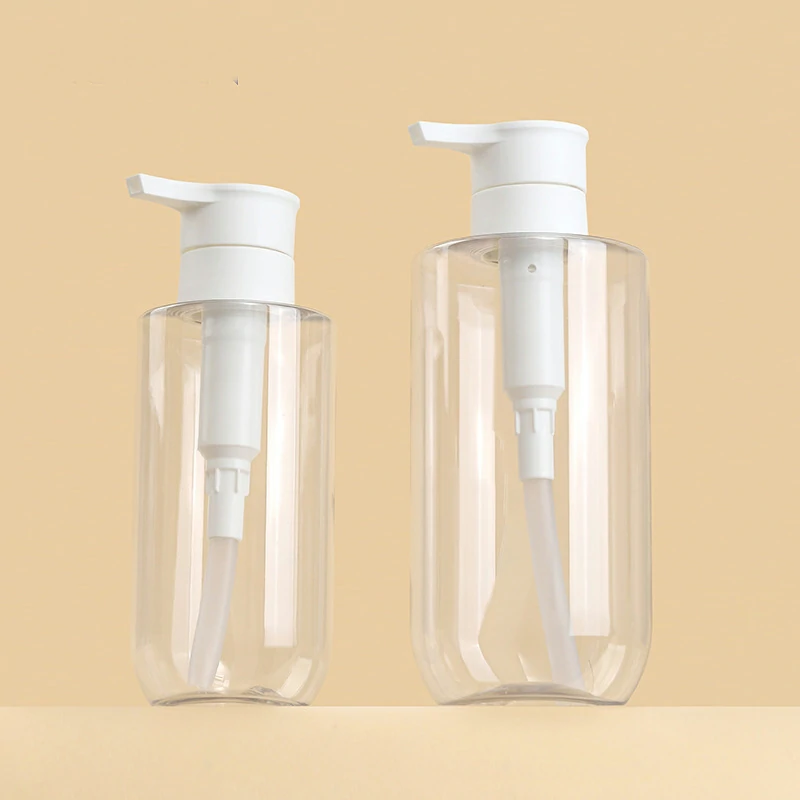
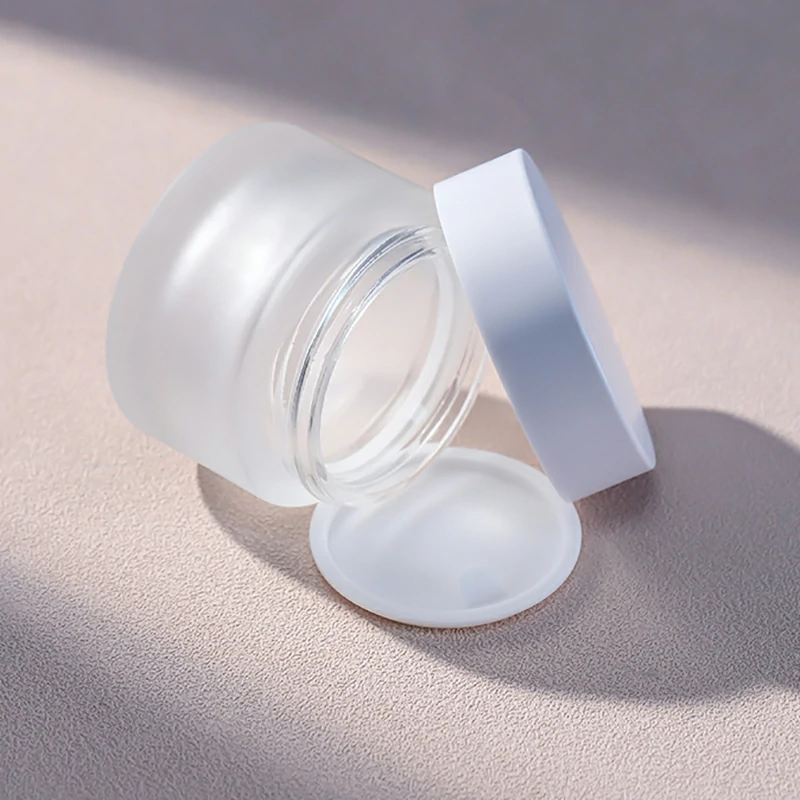
Definition of cosmetic packaging materials: All materials of a complete cosmetic product, excluding its contents, are collectively referred to as packaging materials.
Classification of cosmetic packaging materials: inner packaging materials and outer packaging materials
Inner packaging materials: materials that form a sealed space, such as bottles, caps, plugs, gaskets, etc., that come into direct contact with the contents.
Outsourcing materials: other materials used for decoration, protection of contents, and internal packaging.
Inner packaging material container
Containers are the main packaging materials in the cosmetics field. At the same time, the pump head, spray, bottle cap and other core components of containers are also plastic materials. Therefore, cosmetics and plastics are inextricably linked. Introduce several commonly used types of plastics and give a brief science popularization:
ABS
ABS belongs to engineering plastics, which are not environmentally friendly and have high hardness. It cannot be directly in contact with cosmetics and food. In acrylic cosmetic packaging materials, it is generally used as an inner cover and shoulder cover material. The color appears yellow or milky white.
PP、PE
PP and PE are environmentally friendly materials that can directly come into contact with cosmetics and food. They are the main materials for filling organic skincare products, and their natural color is white and semi transparent. According to different molecular structures, three different degrees of softness and hardness can be achieved.
PET
PET is an environmentally friendly material that can directly come into contact with cosmetics and food. It is the main material for filling organic skincare products. PET material is relatively soft and has a transparent natural color.
PCTA、PETG
PCTA and PETG are environmentally friendly materials that can directly come into contact with cosmetics and food. They are the main materials for filling organic skincare products and are relatively soft and transparent. PCTA and PETG are soft and easily scratched. And printing is more commonly used than spray painting.
AS
AS is not hard, brittle (there is a clear sound when knocking), transparent, and the blue background can directly contact with cosmetics and food. In ordinary lotion bottles, vacuum bottles are generally bottle body materials, and can also be made into small capacity cream bottles. Present in a transparent state.
acrylic
The material is relatively hard, transparent, and the base color is white. And acrylic is often sprayed inside the outer bottle or colored during injection molding to maintain its transparent texture.
Packaging Classification
According to the packaging form and material variety of cosmetics, they can be divided into:
a. Bottles (including plastic bottles, glass bottles, etc.);
b. Cover [including outer cover, inner cover, (plug, pad, film), etc.];
c. Bags (including paper bags, plastic bags, and composite bags);
d. Flexible hoses (including plastic hoses, composite hoses, metal hoses, etc.);
e. Boxes (including plastic paper boxes, plastic boxes, metal boxes, etc.);
f. Spray cans (including pressure resistant aluminum cans, iron cans, etc.);
g. Ingot tube (including lipstick tube, foundation make-up tube, eye black tube, etc.);
h. Makeup pen
i. Nozzle (including pneumatic and pump type);
j. Outer box (including flower box, plastic seal, middle box, transportation packaging, etc.).
Basic requirements for packaging materials
1、 Container and container matching category
1. Bottle
The bottle body should be stable, the surface should be smooth, the thickness of the bottle wall should be basically uniform, there should be no obvious scars or deformations, and there should be no cold explosions or cracks. The bottle mouth should be straight and smooth, without burrs (burrs), and the thread and bayonet fitting structure should be intact and straight. The fit between the bottle and the lid should be tight, without slipping, loosening, or leakage. The inside and outside of the bottle should be clean.
2. Flexible hose
The body of the hose should be smooth, neat, evenly thick, without obvious scratches, and the color should be uniform and consistent. The sealing of the hose should be firm and straight, without any openings or wrinkles (except for normal indentation of the mold). The composite film of the hose should have no floating phenomenon.
3. Cover
The lid is divided into PP material, ABS material, sarin material, PTCG material, K material, aluminum foil, etc. Different materials are judged based on experience such as touch, appearance, and rebound sound from falling, and the disinfection method is different.
Inner cover: The inner cover should be complete, smooth, clean, and not deformed. The fit between the inner lid, bottle, and outer lid should be good. The inner cover should not be missed.
Outer cover: The outer cover should be straight, smooth, without breakage, cracks, burrs (burrs). The color of the outer cover should be uniform and consistent. The external cover thread fitting structure should be intact.
The color of the cover with electroplated aluminum or hot stamping should be uniform and consistent. The flip type outer cover should be flexible to flip up and the connecting parts should not be broken. The fit between the cap and the bottle should be tight, without slipping or loosening.
4. Spray cans.
The tank body is flat, without rust spots, the welds are smooth, without obvious scratches or dents, and the color should be uniform and consistent. The crimp of the spray tank shall be smooth without wrinkles, cracks and deformation. The cover of spray tank shall meet the requirements of 5.3.2.
5. Spray nozzle.
The nozzle should be upright, clean, and free from damage or cracks. The assembly components of the nozzle should be complete and intact to ensure smooth spraying at night.
2、 Basic quality requirements for flexible packaging.
1. Bag
The bag should not have obvious wrinkles, scratches, or air bubbles. The color of the bag should be uniform and consistent. The sealing of the bag should be firm, without openings, perforations, or leakage of liquid (paste). Composite bags should be firmly compounded and coated evenly.
2. Plastic sealing
The plastic seal should be firmly bonded without cracking. The surface of the plastic seal should be clean and free from damage. There is no wrong installation, missing installation, or inverted phenomenon inside the plastic seal.
3、 Basic requirements for cosmetic packaging materials.
1. Ingot tube
The body of the ingot tube should be straight, smooth, without cracks, burrs (burrs), and there should be no obvious scratches. The color should be uniform and consistent. The components of the ingot tube should have appropriate tightness to ensure that the contents can be rotated out or pushed out normally.
2. Makeup pen
The handle and sleeve of a makeup pen should be smooth, straight, and free from glue or cracked paint film. The fit between the handle and sleeve of a makeup pen should be appropriate. The color of the makeup pen should be uniform and consistent.
4、 Basic quality requirements for outer packaging.
1. Box
The surface of the box should be smooth and straight, without obvious exposed scratches, burrs (burrs), severe compression, or damage. The opening tightness of the box should be appropriate. When taking out the flower box, do not forcefully peel it open with your fingers. Pinch the edge of the lid and ensure that the bottom does not fall off, which is considered qualified. The mirror inside the box, the contents and the box should be firmly adhered, the mirror image should be good, and there should be no exposed scratches or damage.
2. Printing and labeling.
The patterns and handwriting printed on cosmetic packaging should be neat, clear, and not easily peeled off, with uniform and consistent color. The labels on cosmetic packaging should not be misplaced, missed, or reversed, and should be firmly attached. The label requirements shall comply with the provisions of GB 5296.3.
3. Flower box.
The flower box should be tightly matched with the middle box packaging. The flower box should be clean, upright, and flat, with the lid covered and no wrinkles, missing edges, or corners. The adhesive parts of the flower box should be firmly attached, without any adhesive marks, cracks, or mutual adhesion. The product has no errors, omissions, or inversion.
4. The middle box.
The middle box should be tightly matched with the flower box packaging. The middle box should be clean, upright, and flat, and the lid should be securely closed. The adhesive part of the middle box should be firmly adhered without any adhesive marks, cracks, or mutual adhesion. The product has no errors, omissions, or inversion. The label on the middle box should be upright, clean, and complete, and should indicate the product name, specifications, packaging quantity, and producer name as needed.
5、 Requirements for trademarks, instructions, box labels, and certificates of conformity inside the packaging.
1) Printed trademarks should have neat patterns, clear color matching, clear and firm handwriting.
2) The trademark should be firmly affixed, without tilting, missing, inverted, or misplaced. After being affixed, there should be no corners or edges curling.
3) The printing pattern of the instruction manual is neat and the handwriting is clear.
4) The printed words and patterns on the box head (sticker) are clear.
5) The printing handwriting and pattern of the certificate of conformity are clear, and there are markings such as the factory name and inspector code.
6) The standard number to be implemented should be marked on the product or its instructions and packaging.
7) Labeling of production date and shelf life or production batch number and expiration date.
8) Transport packaging should be neat, upright, smooth, and securely sealed; The product has no errors, omissions, or inversion.
Common problems in packaging material acceptance
In summary, there are mainly two aspects:
1、 Process issues
1. The color printing accuracy of the inner bag of the facial mask is insufficient and the color is incorrect
2. The layout of the inner bag is inconsistent with the design draft (rounded corners at the edges become right angles)
3. The paint on the glass bottle has peeled off, and the hot stamping is misplaced
4. Scratches occur during the transportation of glass bottles; The hot stamping on frosted glass bottles and the friction between the bottle body and the hot stamping scratch
5. Loose bottle cap, tightened pump head, excessive gap between pump head and bottle shoulder
6. Printing errors (trademark printing errors, name printing errors, weight printing errors, etc.)
7. The surface of the box is uneven
8. The box is deformed, the adhesion is not firm, and there are glue marks on the surface of the box
9. Color box printing, gold paste at the hot stamping area
10. Incorrect hose diameter (3mm required, finished product is 5mm)
11. The color difference of packaging materials is too large (compared with each batch of packaging)
12. The color of the electric eye on the packaging can be changed arbitrarily by the manufacturer (the colored dot in the middle of the end of the toothpaste tube)
13. Deformation of hose printing icon
14. Adhesive adhesion on the handbag
15. Incomplete supporting packaging
16. The packaging surface is dirty, with dust, glue, fingerprints, etc
2、 Material issues
1. Insufficient internal card support
2. The brightness of the glass bottle is not enough
3. Insufficient number of composite layers in the hose
4. The thickness of the inner bag of the facial mask is not enough
5. The buckle on the inner lid of the bottle is too soft, causing deformation during tightening
6. Some plastic bottles are not resistant to high temperatures, may deform or become brittle
7. Plastic bottles become brittle under light exposure
……
The above is just a list of common issues, and there are many different types of problems that customers need to control based on their packaging material requirements.