Beautiful Plants For Your Interior
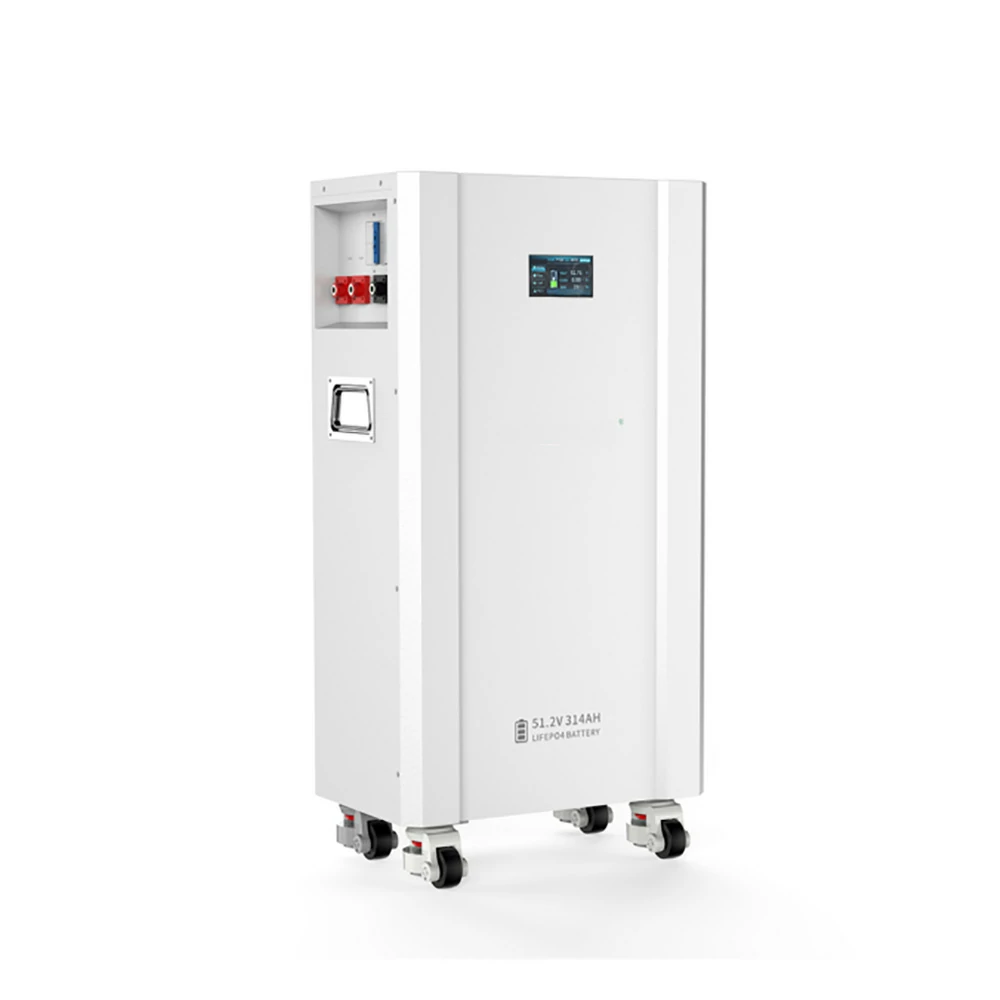
In an era of energy transition and rising electricity costs, the wall-mounted energy storage lithium battery is rapidly becoming the “smart energy heart” for modern homes and boutique businesses. Beyond its sleek, high-tech design, it acts as a savvy financial manager for your household assets. How does it store energy so efficiently and help you save on electricity bills? Let’s dive into the core technology behind it!
Charging: Lithium ions move orderly through the separator to the negative electrode, precisely converting electrical energy into highly efficient chemical energy for storage.
Discharging: Lithium ions are instantly released, flowing back to the positive electrode to deliver a steady and robust stream of power.
This superior electrochemical mechanism delivers high energy density, an ultra-long cycle life, and minimal self-discharge—building a lifelong power guarantee for your home.
Off-Peak Storing: During nighttime low-rate hours or when solar power is abundant, the system automatically charges at high efficiency, converting AC power to DC via a precision inverter to store in the cells.
Peak Shaving: During daytime high-rate hours, the battery prioritizes using your stored “discount power,” easily shaving off peak usage and slashing your electric bill.
Off-Grid Emergency Power: In discharge mode, the high-efficiency inverter instantly converts stored DC power back into standard AC electricity, keeping critical appliances like refrigerators, air conditioners, and lighting running uninterrupted.
Green Energy Feed-in Revenue: In regions supporting grid feed-in, the intelligent monitoring system can sell surplus clean power back to the grid, turning your unused energy into extra income.
AI Algorithm Optimization: It senses power habits and grid fluctuations in real time, adapting charge/discharge strategies in milliseconds to ensure every kilowatt-hour delivers maximum value.
Cloud & Remote Connectivity: Monitor real-time power levels, operational status, and cost savings directly from your smartphone app. Paired with remote fault diagnostics, you stay in total control of your home energy anywhere, anytime.
All-Around Anomaly Monitoring: Integrated hardware-level safety mechanisms—including over-temperature, over-charge/discharge, and short-circuit protection—stop potential risks in their tracks.
Proactive Risk Prevention: Built with rigorous industrial-grade fireproof/explosion-proof designs and optimized cooling channels, the battery operates safely and reliably even under extreme conditions.
Conclusion: Step Into Low-Carbon Living, One Wall at a Time
The wall-mounted energy storage lithium battery is more than just a high-tech storage device—it is the choice for a green, independent, and cost-effective future lifestyle. Combining advanced lithium tech, ultimate smart management, and all-around safety, it frees you from power outage anxieties while delivering effortless, eco-friendly savings.