Beautiful Plants For Your Interior
In the competitive fragrance market, a perfume’s bottle is far more than a container—it is a silent salesperson, a brand ambassador, and a bridge connecting consumers to the scent inside. Studies show that over 70% of fragrance purchases are influenced by packaging aesthetics, making bottle design a critical factor in driving sales and building brand loyalty. A well-crafted bottle can capture attention on crowded shelves, communicate brand identity, and create an emotional connection that turns first-time buyers into repeat customers.
The first step to boosting sales is making the bottle impossible to ignore. In an era where consumers spend just a few seconds scanning store shelves, a unique silhouette can make all the difference. Luxury brands have long mastered this art: Chanel No. 5’s iconic square bottle, with its clean lines and minimalist design, defied the ornate trends of its time and became a symbol of timeless elegance. Today, brands are pushing boundaries with abstract shapes and bold geometries. For example, modern niche fragrances often use asymmetric curves or angular forms to reflect their unconventional scents, appealing to consumers seeking individuality.
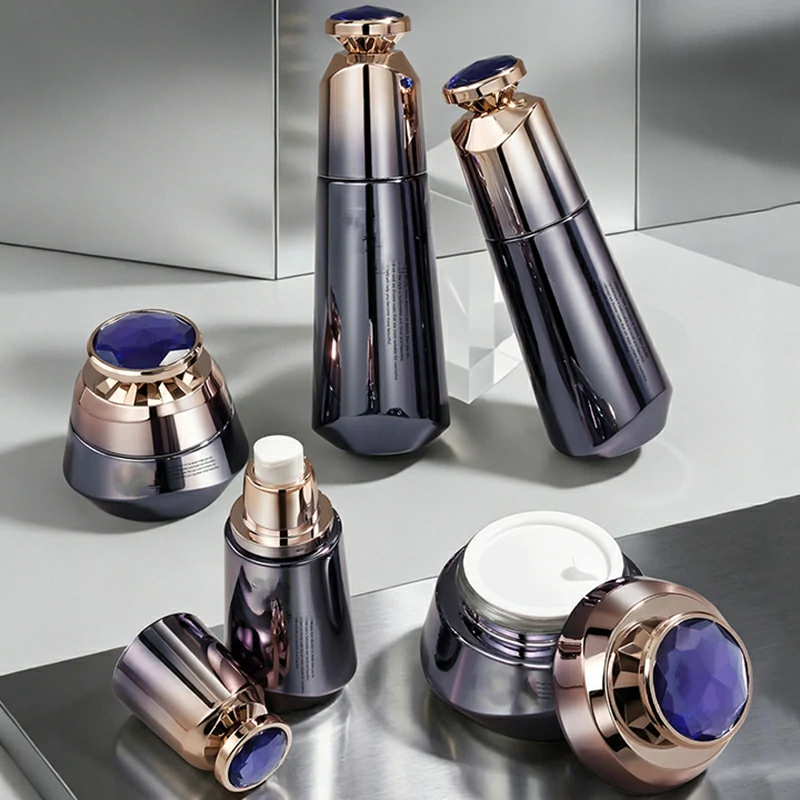
Geometric shapes, in particular, convey a sense of premium quality. Rectangles, squares, and tall cylinders exude confidence and modernity, while octagonal or prism shapes add a touch of sophistication. These designs not only catch the eye but also suggest craftsmanship and attention to detail, justifying higher price points and attracting discerning buyers.
A great perfume bottle tells a story, turning a simple product into a narrative that resonates with consumers. When a bottle reflects a brand’s heritage, values, or inspiration, it creates an emotional bond that goes beyond the scent itself. Take the Moroccan brand ZAHRA, for instance. Its perfume bottles feature thick glass with spiral patterns mimicking desert dunes, paired with organic caps inspired by ambergris. Every element—from the earthy color palette to the handcrafted brass details—speaks to the brand’s roots in Moroccan tradition, inviting consumers to embark on a sensory journey. This storytelling not only differentiates ZAHRA from mass-market brands but also gives customers a reason to connect with the product on a deeper level.
Even minimalist designs can tell powerful stories. Byredo’s rounded bottles, with their sleek labels and understated elegance, communicate a sense of Scandinavian simplicity and modern luxury. For consumers who value authenticity and understatement, this design language is far more compelling than flashy, over-the-top packaging.
In 2026, sustainability is no longer a trend—it is a necessity. Consumers, especially younger generations, are increasingly prioritizing eco-friendly products, and perfume brands that embrace sustainable bottle design are reaping the rewards. Glass, a timeless and 100% recyclable material, remains a top choice, as it preserves the fragrance’s integrity while aligning with green values. Brands are also innovating with recycled materials, such as ocean plastic, to create compact, travel-friendly bottles that appeal to environmentally conscious buyers.
Refillable designs are another game-changer. Luxury brands like Guerlain have introduced refillable perfume bottles, allowing customers to reuse the iconic container while reducing waste. This strategy not only lowers the environmental impact but also fosters long-term loyalty. When customers invest in a beautiful refillable bottle, they are more likely to repurchase the fragrance, turning a one-time sale into a recurring revenue stream. Additionally, refill programs often come with exclusive perks, such as discounts or limited-edition scents, further incentivizing repeat purchases.
Modern consumers lead busy lives, and they demand perfume bottles that fit seamlessly into their routines. Compact, portable designs—such as slim vials, perfume pens, and miniature sprayers—are gaining popularity, as they allow users to reapply fragrance on the go. These small bottles are not only functional but also luxurious, featuring high-quality materials like aluminum or frosted glass that maintain the brand’s premium image.
Practicality also extends to usability. Bottles with easy-to-use atomizers, leak-proof caps, and ergonomic shapes enhance the overall user experience, making customers more likely to recommend the product to others. For example, a perfume pen with a twist mechanism is far more convenient for travel than a traditional glass bottle with a fragile stopper. By prioritizing functionality without sacrificing style, brands can attract a wider audience and increase sales through positive word-of-mouth.
A perfume bottle that transcends its original purpose can become a valuable asset for both the consumer and the brand. Collectible designs, such as limited-edition bottles or collaborations with renowned artists, create a sense of urgency and exclusivity, driving impulse purchases. Brands like Moschino, with its whimsical honey bear and Windex-inspired bottles, have built a cult following of collectors who eagerly await new releases.
Reusable bottles also extend the brand’s lifecycle. When customers repurpose a perfume bottle as a vase, candle holder, or decorative piece, they keep the brand in their daily lives, reinforcing brand loyalty and acting as unpaid brand ambassadors. The Mexican brand Xinú takes this a step further: its minimalist glass and wood bottles can be disassembled and combined with other bottles to create sculptures, vases, or incense burners. This innovative design encourages customers to buy multiple bottles to complete their creations, significantly increasing sales volume.
Conclusion
In the world of fragrance, the bottle is the first impression, the last memory, and everything in between. A well-designed perfume bottle combines aesthetic appeal, storytelling, sustainability, and practicality to create a product that consumers not only want to buy but also want to keep, display, and recommend. By investing in bottle design that aligns with consumer values and lifestyle needs, perfume brands can stand out in a crowded market, drive sales, and build lasting relationships with their customers. In the end, the best perfume bottles don’t just hold a scent—they hold the key to brand success. (AI生成)