Beautiful Plants For Your Interior
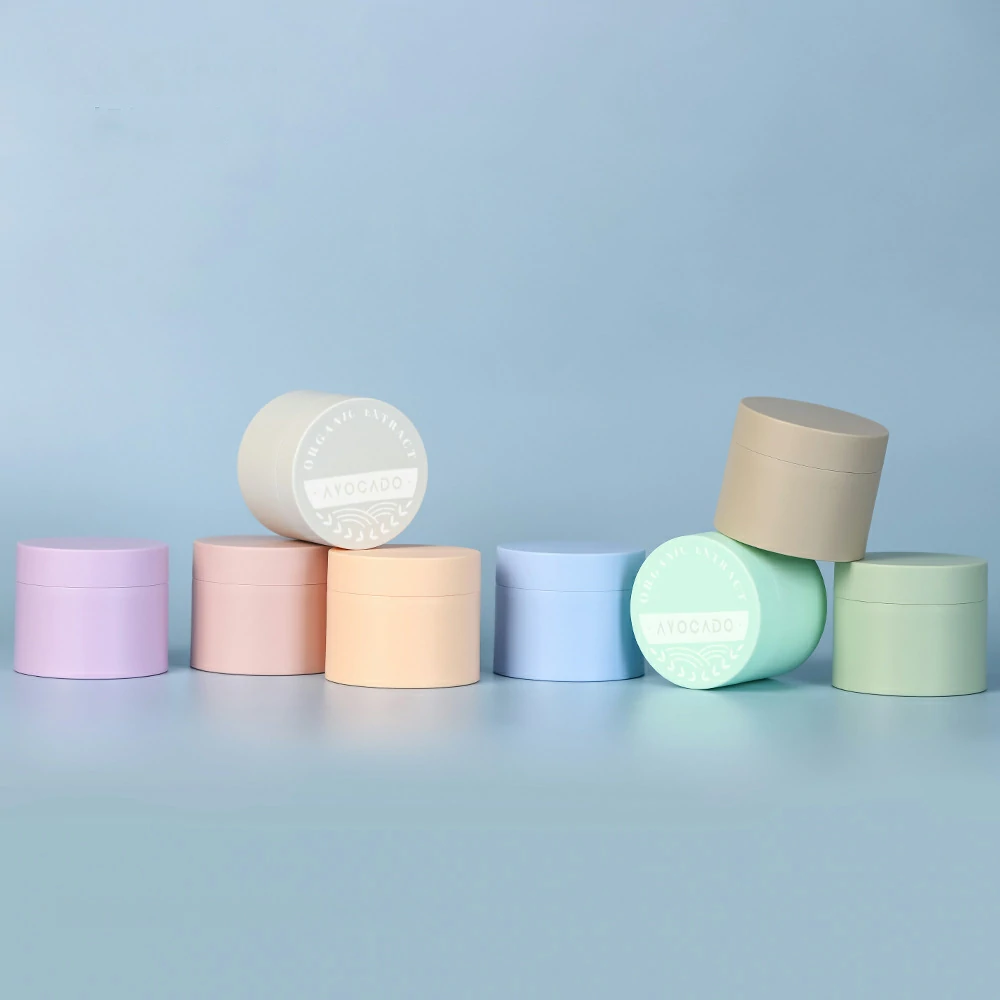
The international cosmetics industry thrives on innovation, efficacy, and presentation. While product formulation remains paramount, the role of packaging is increasingly recognized as a critical strategic component in global trade. Cosmetic packaging is not merely a container; it is a multifaceted tool for brand communication, consumer protection, regulatory compliance, and logistical efficiency. Success in the export and import of cosmetic packaging materials hinges on a deep understanding of these interconnected dimensions.
1. Design and Consumer Psychology
The primary function of cosmetic packaging is to attract and resonate with the target consumer. For a product targeting a global female demographic, exquisite and tasteful design is of primary importance, as aesthetics often drive initial purchase decisions. However, cultural considerations are paramount. Colors, symbols, and styles that appeal in one market may be ineffective or offensive in another. Effective exporters conduct thorough market research to ensure packaging design satisfies local tastes and expectations. Furthermore, the design must facilitate functionality, such as clearly displaying ingredient lists for consumer safety.
2. Materials, Protection, and Logistics
Beyond aesthetics, packaging must ensure the product arrives at its destination intact and stable. The selection of packaging materials and methods is a technical cornerstone of international trade.
* Protection: Fragile items like glass bottles require robust solutions, such as double-walled corrugated boxes with foam inserts. Vacuum-sealed inner packaging can be crucial for extending product shelf life.
* Logistical Optimization: Practical details like maximum carton weight (e.g., not exceeding 25kg for manual handling safety) and precise outer dimensions are essential to avoid container space waste and control shipping costs. The use of stretch film on pallets and edge protectors on cartons prevents moisture damage and corner crushing during transit.
3. Labeling, Compliance, and Sustainability
International shipping imposes stringent requirements on packaging information and materials.
* Labeling: Outer packaging must clearly display critical information including product SKU, net weight, country of origin, and necessary handling instructions like “Fragile” and “This Side Up.” Barcode labels must be durable, with waterproof versions recommended to prevent issues caused by humidity.
* Regulatory Compliance: Exporters must adhere to destination market regulations. This includes using non-wood packaging materials to meet phytosanitary requirements and ensuring all packaging is 100% recyclable to comply with regulations like those in the EU. The use of FSC-certified paper for carton printing is increasingly requested by eco-conscious brands.
* Specification Management: Clear communication is vital. Suppliers should provide detailed packaging specification sheets for buyer approval, and confirm if specialized packaging (e.g., blister packs) meets specific retail display requirements.
4. Communication and Continuous Improvement
Successful long-term partnerships in packaging trade rely on proactive and solution-oriented communication. Addressing issues from previous shipments—such as insufficient void fill or damaged labels—directly and proposing concrete improvements fosters trust and enhances operational efficiency. In conclusion, the foreign trade of cosmetic packaging is a sophisticated discipline that integrates marketing, engineering, regulatory affairs, and supply chain management. As the global beauty market continues to expand and evolve, companies that master the strategic export and import of packaging—balancing visual appeal, robust protection, full compliance, and environmental responsibility—will secure a significant competitive advantage and build stronger, more resilient internatio