
Beautiful Plants For Your Interior

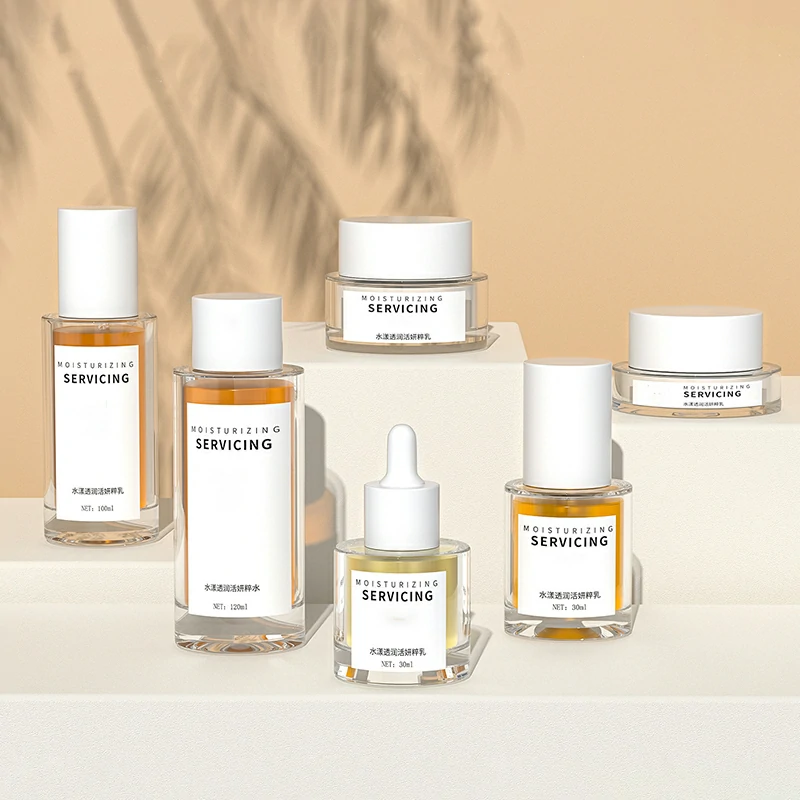
Cosmetic packaging materials, as the name suggests, refer to various materials and their products used for packaging and protecting cosmetics. For the aforementioned products, you can click below to learn more about their product parameters.
They not only serve the functions of protecting products and facilitating portability and use, but also directly represent the brand image, playing a significant role in enhancing product added value and market competitiveness.
Types and characteristics of packaging materials for cosmetics
There is a wide variety of packaging materials for skincare products, which can be divided into multiple types such as plastic bottles, glass bottles, soft tubes, paper boxes, and aluminum cans based on different materials and purposes. Each material has its unique physical and chemical properties, suitable for skincare products with different forms and characteristics. For example, plastic bottles are widely used for packaging lotions, face creams, and other products due to their portability, resistance to breakage, and low cost; glass bottles, with their high transparency and good chemical stability, are often used for packaging high-end essences, perfumes, and other products to highlight the quality and grade of the products.
Craftsmanship and Design
The craftsmanship and design of cosmetic packaging are equally crucial. Modern cosmetic packaging not only emphasizes practicality but also pursues aesthetics and personalization. In terms of craftsmanship, the application of techniques such as bronzing, silvering, embossing, UV printing, and hollowing creates a rich texture and luster on the packaging surface, enhancing the visual effect of the product. In terms of design, it focuses on aligning with the brand image and optimizing the consumer experience. For example, designs such as folding design and pre-folded creases without glue make the packaging easier to open and reuse; opening and closing methods such as magnetic attraction, snap closure, and integrated flipping improve the sealing and convenience of the packaging.
Material selection and environmental protection
In terms of material selection, the environmental friendliness, safety, and sustainability of materials must be considered for cosmetic packaging. With the increasing awareness of environmental protection among consumers, more and more brands are beginning to choose recyclable and degradable materials for packaging. For example, paper materials such as copperplate paper, white cardboard, and pearlescent paper, as well as environmentally friendly materials such as corrugated paper and specialty paper, have gradually become the mainstream choice for cosmetic packaging due to their recyclable and easily degradable characteristics. At the same time, some brands further reduce the impact of packaging on the environment by adopting bio-based materials and reducing the number of packaging layers.
Industry standards and regulations
The production and use of packaging materials for cosmetics must adhere to strict industry standards and regulations. These standards and regulations not only specify requirements for the material, size, and performance of the packaging materials but also impose clear demands on their safety and environmental friendliness. For instance, the packaging materials must pass relevant safety tests to ensure they do not contain harmful substances that could contaminate the cosmetics. Additionally, they must comply with environmental regulations to minimize their impact on the environment.
Application scenarios and market demands
The application scenarios of cosmetic packaging materials are extensive, encompassing all aspects of cosmetic production, sales, and use. With the continuous expansion of the cosmetic market and the increasingly diverse demands of consumers, the market demand for cosmetic packaging materials is also growing. Brand owners need to select appropriate packaging material types and process designs based on the characteristics of the product and the needs of the target consumer group, in order to enhance the market competitiveness of the product.
–
—


Hi, this is a comment.
To get started with moderating, editing, and deleting comments, please visit the Comments screen in the dashboard.
Commenter avatars come from Gravatar.