Beautiful Plants For Your Interior
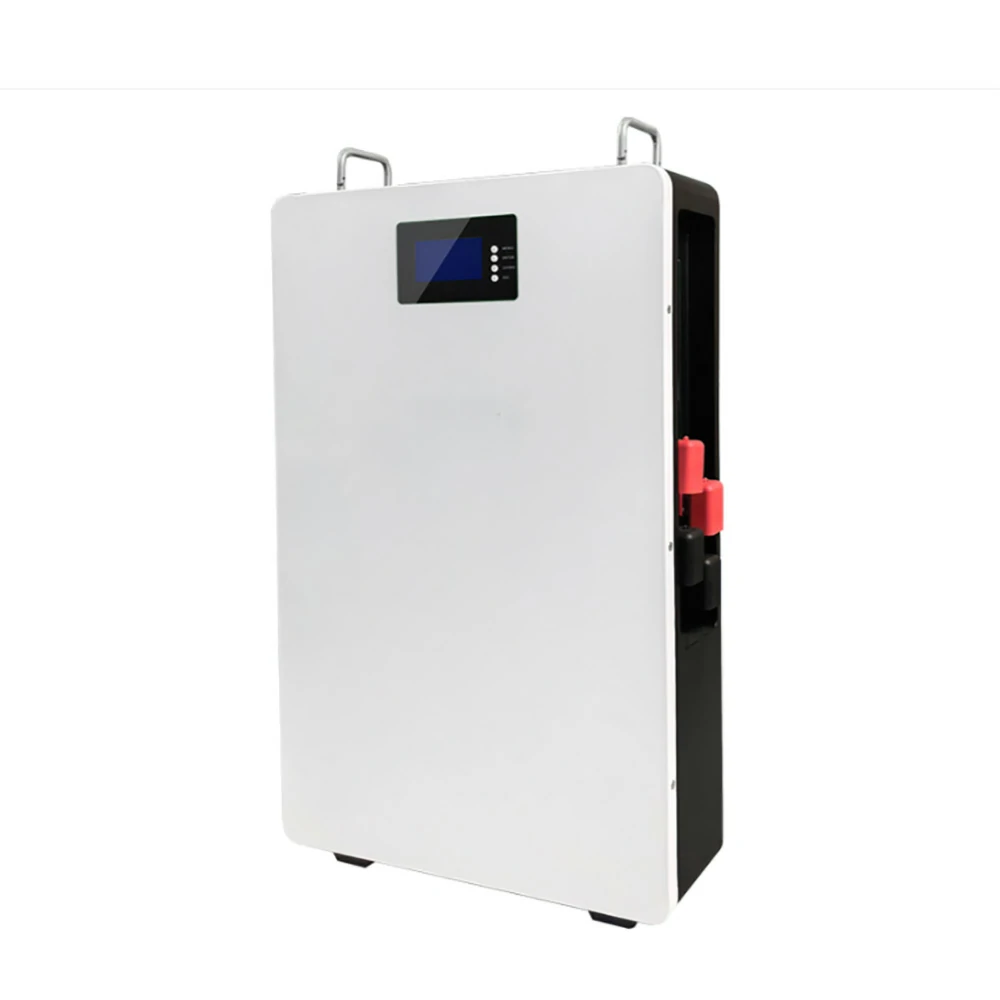
Energy storage batteries, as the core component of renewable energy systems, have been widely used in electric vehicles, renewable energy generation, and household energy storage systems. However, the efficiency of charging and discharging and energy loss have long been bottlenecks restricting its large-scale application. In order to break this limitation, researchers and engineers continue to explore and summarize the following five key paths to improve the efficiency of energy storage batteries:
1、 Enhance energy density
Energy density refers to the amount of energy that a battery can store per unit volume or weight. Improving energy density can directly enhance the comprehensive energy storage efficiency of batteries. By optimizing electrode materials and structural design, the energy density of the battery has significantly increased. For example, the new lithium-ion battery uses high-capacity negative electrode materials and high-energy density electrolytes, greatly improving energy storage and output efficiency.
2、 Reduce battery internal resistance
Internal resistance originates from the impedance of the internal materials and structure of the battery. If the internal resistance is too high, it will cause energy to dissipate in the form of thermal energy and result in a voltage drop. By improving the electrolyte formula and optimizing the microstructure of the electrode, internal resistance can be effectively reduced, energy loss can be minimized, and the effective conversion rate of the battery can be improved.
3、 Optimize charging and discharging efficiency
The charging and discharging efficiency reflects the degree of energy loss of a battery during the process of converting electrical energy into chemical energy. By conducting in-depth research on the electrochemical reaction mechanism and improving the conductivity of electrode materials, it is possible to effectively suppress side reactions during charge and discharge processes, and minimize energy loss to the greatest extent possible.
4、 Extend cycle life
The cycle life determines the length of time a battery can still operate efficiently after multiple cycles of charge and discharge decay. Improving the structural stability of materials, combined with scientific charging and discharging control strategies, can not only extend the service life of batteries, but also ensure that batteries maintain high efficiency throughout their entire lifecycle.
5、 Introduction of Intelligent Management System (BMS)
The intelligent battery management system (BMS) can monitor and dynamically regulate the operating status of the battery in real time. Based on the current health status, temperature, and external load changes of the battery, the system can automatically match the optimal charging and discharging strategy to ensure that the battery always operates in the most efficient and safe range.
Conclusion
From material innovation (improving energy density, reducing internal resistance), process optimization (improving charge and discharge efficiency, extending lifespan) to software empowerment (intelligent management system), a multi pronged technological breakthrough is comprehensively improving the comprehensive performance of energy storage batteries. This will accelerate the widespread adoption of renewable energy and provide stronger impetus for global energy transition and green environmental protection.