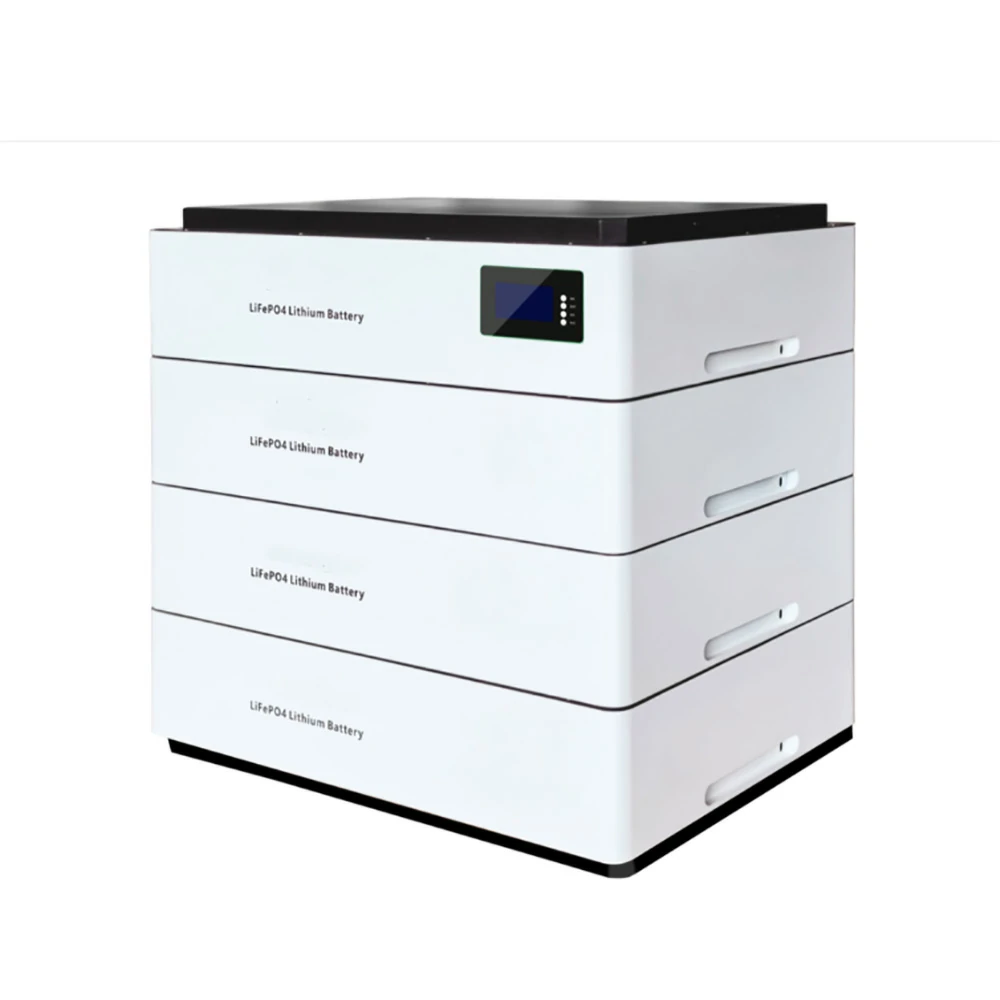
Energy is the foundation of modern society. However, in an unstable energy market, ensuring reliable energy supply has become a major challenge for governments and businesses around the world. In this context, containerized energy storage systems are receiving increasing attention. So, what is it? How can it cope with the challenges and changes in the energy supply chain? This article will provide you with answers one by one.
1、 What is a containerized energy storage system?
Container type energy storage system integrates lithium-ion batteries, control systems, intelligent temperature control systems and other equipment into standardized containers to form a complete energy storage system. This system can achieve multiple functions such as peak valley balance between power loads, backup power supply function, and mixed application of new and traditional energy. It can be applied in areas such as power grid peak shaving, microgrids, and low-carbon cities.
2、 What are the advantages of containerized energy storage systems?
- Strong flexibility: Containerized energy storage systems can be configured with different capacities as needed to adapt to various scenarios and applications.
- Easy to deploy and move: The energy storage system appears in standard container form, which can be quickly deployed to where it is needed and can be quickly moved when needed.
- Safe and reliable: Lithium ion batteries adopt globally leading battery technology and management systems, and have multiple protection measures to ensure safe and reliable use.
- Autonomous control function: The energy storage system can achieve peak valley balance and backup power function between different loads. Through intelligent control, it can be autonomously controlled in emergency situations.
3、 What are the application scenarios of containerized energy storage systems?
- Grid peak shaving: Energy storage systems can store excess electricity in the grid for release when needed. This can more smoothly regulate the load of the power grid.
- Microgrid: In small power grid systems such as residential or commercial areas, energy storage systems can play a role in peak valley balance, power backup, and power transmission. When the main power supply fails, the energy storage system can also serve as a backup power source.
- Low carbon cities: Energy storage systems can store and mix with new energy generation and traditional energy generation to smoothly meet urban energy demand and reduce carbon emissions.
4、 What is the future trend of containerized energy storage systems?
- Sustainable Capacity Growth: With the continuous improvement of technology, the capacity of energy storage systems is constantly increasing. Meanwhile, based on integrated and modular design, the system capacity can be quickly adjusted to meet different needs.
- Energy conservation and emission reduction: Against the backdrop of energy shortages and escalating environmental pressures, energy storage systems can utilize renewable energy sources such as solar and wind power to achieve sustainable development of electricity, thus enabling better energy conservation and emission reduction.
- Intelligence and autonomy: The development of intelligent and autonomous energy storage systems will be the future trend. The energy storage system achieves autonomous control through advanced technologies such as artificial intelligence, cloud computing, and the Internet of Things, which can better adapt to the needs of various application scenarios.
5、 What are the challenges faced by containerized energy storage systems?
- Safety issues: As a battery energy storage device, the safety issues of lithium-ion batteries need to be taken seriously. Excessive charging and discharging current per unit time, high ambient temperature, faults, etc. can all lead to overheating, fire, and even explosion of lithium-ion batteries.
- Price issue: The price of energy storage systems is still relatively high. In the future, if energy storage systems are to be popularized in the market, price may be an important factor.
6、 Conclusion:
Against the backdrop of increasingly complex and unstable energy supply chains, containerized energy storage systems have emerged as an emerging technology. It has the advantages of strong flexibility, easy deployment and mobility, safety and reliability, and autonomous control functions, and can be applied to various scenarios such as power grid peak shaving, microgrids, low-carbon cities, etc. In the future, with the continuous improvement of technology, the intelligence, autonomy, and price reduction of energy storage systems will be the main direction of development. Meanwhile, the safety and price of lithium-ion batteries remain important factors to consider.