Beautiful Plants For Your Interior
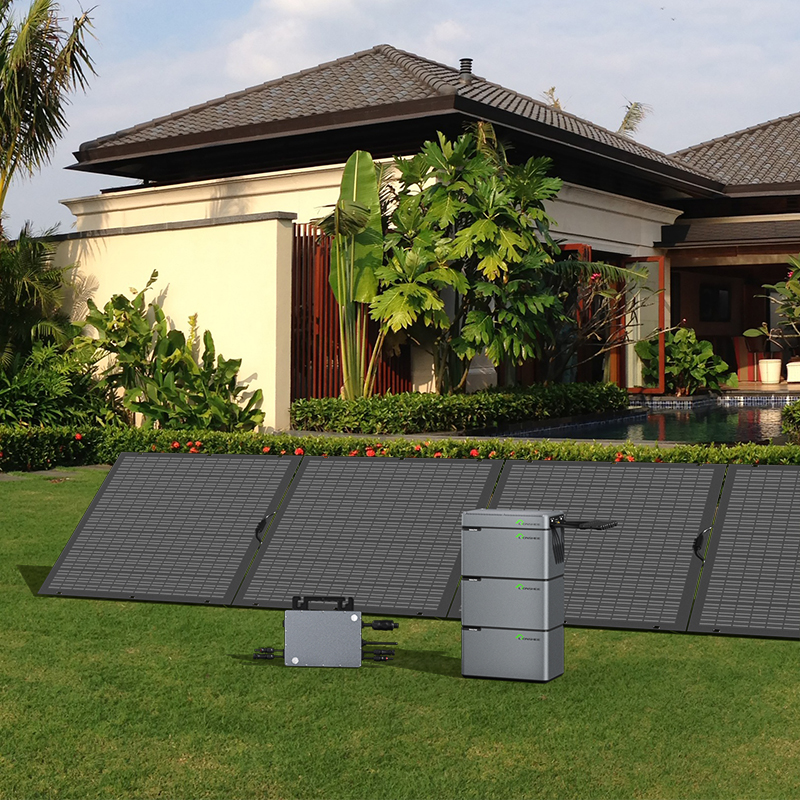
Solar energy storage devices have become an indispensable core tool for energy management in many households and businesses. Whether it is to reduce long-term electricity costs or to address power supply issues such as sudden power outages, it is a high-quality investment that combines practicality and long-term value. However, before formal procurement, there are several key dimensions that need to be sorted out in advance to ensure that every investment can be converted into tangible benefits. Today, Qianzheng New Energy will outline 7 core issues that must be considered when choosing solar energy storage equipment, helping you make more reliable and tailored decisions to meet your own needs.
When selecting equipment, many people tend to focus only on brand awareness and price, but overlook the more critical aspects: technical parameters of the equipment, on-site installation conditions, and long-term after-sales service system. In addition, customized matching based on one’s actual electricity demand, environmental characteristics, and budget range is the core prerequisite for selecting suitable equipment. Next, we will break down these key points one by one.
Clarify the actual electricity demand
The first step before procurement is to accurately determine one’s actual electricity consumption scale. The electricity consumption habits and total electricity consumption vary greatly among different households and business scenarios. Only by understanding this bottom line can suitable energy storage devices be selected.
You can first retrieve the electricity bills of the past year for retrospective analysis, focusing on two core data points: the peak power of daily electricity consumption and the distribution of peak electricity consumption periods throughout the day. After obtaining these accurate data, the specifications of energy storage devices can be accurately matched, without the capacity waste of “big horse pulling small car” or the power shortage dilemma of “small horse pulling big car”.
Reasonably evaluate energy storage capacity
Energy storage capacity is a core indicator that cannot be ignored when choosing, as it directly determines how much solar power you can store and call upon when needed, and is a decisive factor affecting the subsequent user experience.
Generally speaking, the larger the capacity, the higher the procurement cost of the equipment. In addition, it is necessary to simultaneously consider the compatibility of energy storage devices with surrounding photovoltaic modules, inverters, and other equipment, as well as the expansion space for subsequent capacity upgrades. When determining capacity, it is recommended to base it on the current actual electricity demand and reserve a small amount of surplus for potential future electrical equipment. There is no need to excessively pursue ultra large capacity to avoid unnecessary waste of resources and funds.
Focus on conversion efficiency and durability
The charging and discharging conversion efficiency of energy storage devices directly determines the speed of your investment return. The higher the conversion efficiency, the more available electrical energy the equipment can convert and store per unit time, and the long-term savings in electricity bills will also be more significant.
In addition to efficiency, the long-term durability of the equipment is also crucial. Energy storage devices are long-term assets that will accompany you for ten years or even longer, not disposable fast-moving consumer goods. It is recommended to prioritize products that have passed authoritative international safety and performance certifications and have a stable reputation among market users. If you want to understand more detailed performance, you can also refer to third-party technical evaluation reports published by professional organizations to have a clear understanding.
Confirm the convenience of installation and maintenance
No one would want to spend a lot of time and energy on equipment maintenance every time, as troublesome as solving complex problems. The ease of installation and convenient maintenance of the equipment are also factors that must be taken into consideration when selecting.
Before placing an official order, it is recommended to confirm the installation details with the supplier in advance: whether a certified professional is required to come on-site, and whether there will be any additional hidden costs during the installation process. At the same time, it is also necessary to understand the relevant requirements for daily maintenance of the equipment in advance. Nowadays, many high-quality high-end energy storage devices come with intelligent cloud monitoring systems, which support remote status viewing and fault self diagnosis, making subsequent use and maintenance much easier.
Clarify after-sales service and warranty terms
Like complex industrial products such as mobile phones and cars, solar energy storage devices also have a clear design service life. A comprehensive after-sales service system and clear warranty terms can help you save a lot of potential trouble in the future.
Priority should be given to brands with good after-sales service records and complete network coverage. High quality services not only include fault repairs, but also provide you with long-term technical support, system firmware upgrades, and other supporting services. You should know that the maintenance cost of the core components of energy storage devices is usually not low, and a clear and comprehensive warranty clause can help you avoid many unexpected expenses in the future.
Balancing environmental protection and long-term sustainability
Nowadays, environmental protection and low-carbon sustainability have become a consensus in the whole society. When choosing solar energy storage equipment, the environmentally friendly properties of the product can also be taken into consideration.
Priority should be given to products with formal environmental certification, ensuring that the equipment can operate with low energy consumption and low pollution throughout its entire lifecycle. In addition, it is also necessary to make responsible choices by understanding in advance the recycling channels and disposal methods after the expiration of the equipment’s lifespan. This can enable the entire equipment to have a positive impact on the environment from use to final recycling.
Reasonably predict the investment return cycle
Solar energy storage equipment is essentially a long-term energy investment, and calculating a reasonable investment return cycle in advance is an important basis for making rational decisions. By combining one’s own situation with cost-benefit calculations and referring to the current market situation, one can clearly predict the time for investment payback and avoid expected deviations.
When calculating the return period, it is necessary to include all equipment procurement costs, installation and construction costs, and long-term maintenance costs, and then combine them with the daily saved electricity bills and the possible new energy subsidy policies that may be introduced locally for a comprehensive evaluation. At the same time, you can continue to monitor the dynamic adjustments of industry policies to maximize your investment returns.
In conclusion, by clarifying and considering all seven dimensions mentioned above, you can establish a more comprehensive and in-depth understanding of solar energy storage equipment, and ultimately select the most suitable product for yourself. Choosing a suitable solar energy storage device is not only for the convenience of current electricity consumption, but also for long-term energy conservation and cost reduction